What Is Oligohydramnios?
Oligohydramnios is a condition where there is too little amniotic fluid around a baby during pregnancy. This fluid helps protect the baby and allows for healthy growth. When the fluid is low, it can cause problems for both the mother and the baby. Doctors often call this “low amniotic fluid during pregnancy.” Early detection and care are important for the health of both mother and child.
Common Causes of Oligohydramnios
There are several reasons why someone might have oligohydramnios. Sometimes, the cause is not clear. However, the following are common causes:
Because these causes can vary, it is important to talk with your doctor if you have concerns.
Signs and Symptoms
Oligohydramnios may not always cause clear symptoms. Still, some signs can help you know when to seek help. For example, you might notice:
Sometimes, there are no symptoms, and doctors find the problem during a routine checkup or ultrasound. Therefore, regular prenatal visits are very important.
How Oligohydramnios Is Diagnosed
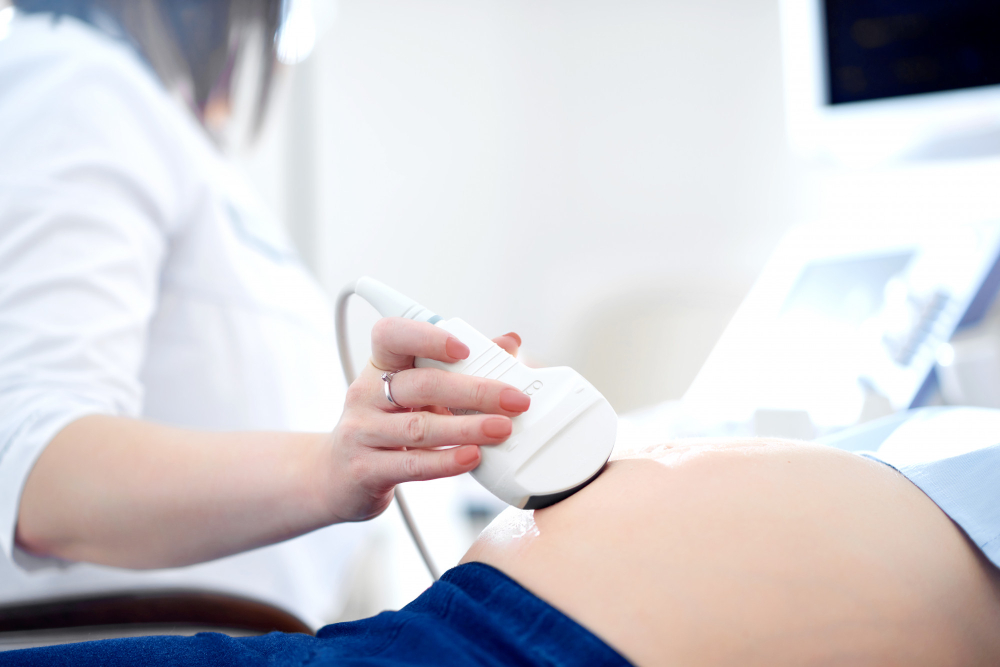
Doctors use several methods to check for oligohydramnios. Most often, they use an ultrasound to measure the amount of amniotic fluid. They may also:
According to the World Health Organization (WHO) and the Centers for Disease Control and Prevention (CDC), early diagnosis helps improve outcomes for both mother and baby.
Treatment Options
Treatment for oligohydramnios depends on how far along you are in your pregnancy and how severe the problem is. Some common oligohydramnios treatments include:
Each case is different, so your healthcare team will choose the best plan for you and your baby.
Prevention and Lifestyle Tips
While you cannot always prevent oligohydramnios, you can take steps to lower your risk. For instance, you can:
These steps can help keep you and your baby healthy throughout pregnancy.
When to See a Doctor
If you notice any signs of low amniotic fluid during pregnancy, you should contact your healthcare provider. For example, call your doctor if you:
Early care can make a big difference. In some areas, access to regular prenatal care may be limited. If you live in such a place, try to visit a clinic or hospital as soon as possible if you have concerns.
In summary, oligohydramnios can be serious, but early detection and treatment help protect you and your baby. Consult your healthcare provider at Chandana Women Children Hospital for personalized advice about oligohydramnios.