
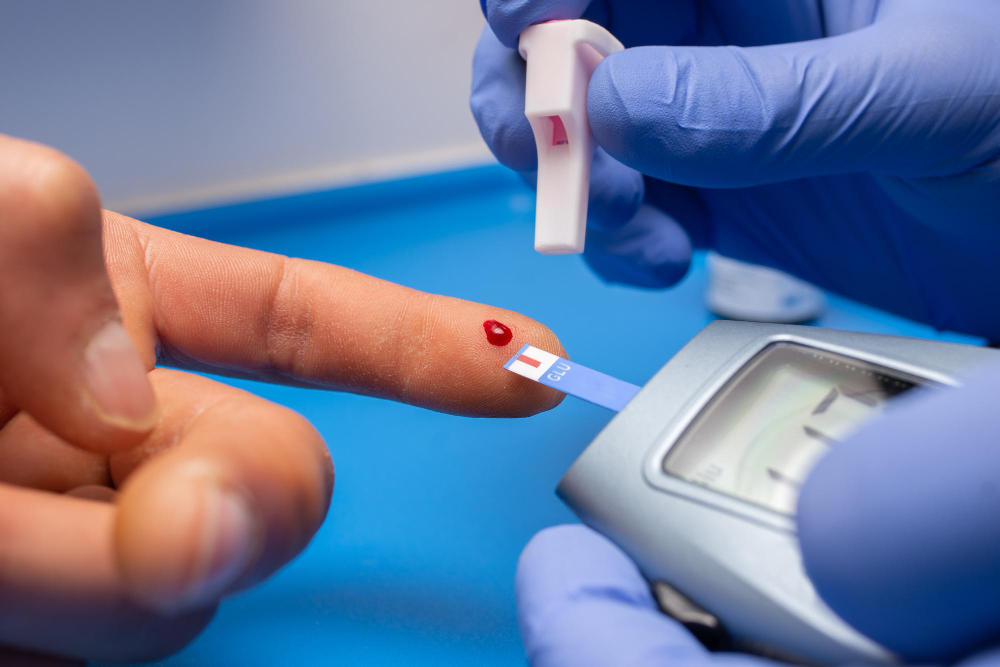
What is Diabetes Mellitus?
Diabetes mellitus is a long-term health condition. It affects how your body uses sugar, also called glucose. Usually, your body turns food into glucose for energy. However, with diabetes mellitus, your body either does not make enough insulin or cannot use it well. Insulin is a hormone that helps move sugar from your blood into your cells. As a result, blood sugar levels can get too high. Over time, high blood sugar can harm your heart, eyes, kidneys, and nerves. According to the World Health Organization (WHO), millions of people worldwide live with diabetes mellitus. Early care can help prevent serious problems.
Common Symptoms
Many people wonder about the signs of diabetes mellitus. Sometimes, symptoms are mild and easy to miss. But, knowing the common signs can help you seek help sooner. Here are some symptoms to watch for:
However, not everyone has all these symptoms. If you notice any, it is wise to talk to your doctor.
Causes and Risk Factors
There are different types of diabetes mellitus. The two main types are type 1 and type 2. Type 1 diabetes often starts in childhood. It happens when the body’s immune system attacks the cells that make insulin. Type 2 diabetes is more common in adults. It develops when the body cannot use insulin well or does not make enough. Several risk factors can raise your chance of getting diabetes mellitus. For example:
Because some risk factors can be changed, healthy choices may help lower your risk.
Diagnosis Methods
Doctors use simple tests to check for diabetes mellitus. Early diagnosis helps prevent complications. Common tests include:
If your test results are high, your doctor may repeat them to confirm the diagnosis. Early testing is important, especially if you have risk factors.
Treatment Options
Treating diabetes mellitus helps you manage blood sugar and avoid problems. Treatment plans depend on the type of diabetes. For many people, lifestyle changes are the first step. But some may also need medicine. Common treatment options include:
In addition, your doctor may suggest ways to prevent diabetes complications. For example, you may need to check your eyes, feet, and kidneys regularly.
Lifestyle Tips and Prevention
Although not all cases can be prevented, healthy habits can lower your risk of diabetes mellitus. Even small changes can make a big difference. Try these tips to help prevent diabetes and manage your health:
Furthermore, managing stress and getting enough sleep can also help. If you already have diabetes, these steps can help prevent complications.
When to See a Doctor
It is important to talk to a healthcare provider if you notice signs of diabetes mellitus. For example, see a doctor if you:
Early care can help you manage diabetes and avoid serious problems. Do not wait if you have concerns about your health.
Book your appointment today for expert guidance at a gynecologist at Chandana Women & Children Hospital.