
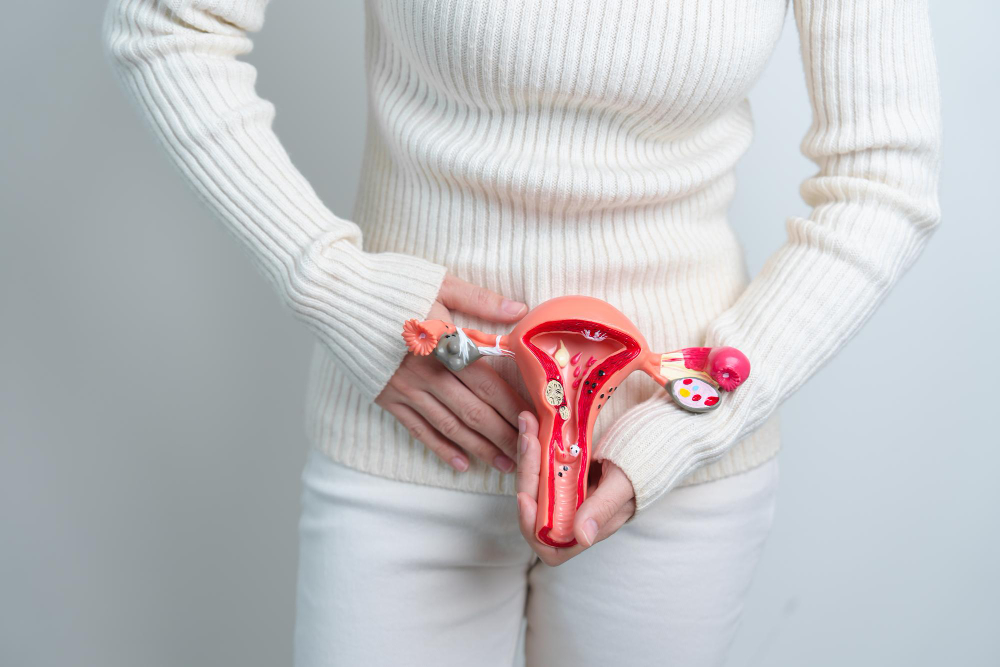
What is a Cervical Polyp?
A cervical polyp is a small, soft growth on the cervix. The cervix is the lower part of the uterus that opens into the vagina. Cervical polyps are usually non-cancerous. However, they can cause symptoms that may worry some women. Most often, doctors find them during routine pelvic exams. Because cervical polyps are common, it is important to know their signs and how they are treated.
Common Symptoms of Cervical Polyps
Many women with cervical polyps do not notice any symptoms. Still, some may experience signs that should not be ignored. For example, you might notice:
Although these symptoms can have other causes, it is wise to see a doctor if you notice them. Early detection can help prevent complications.
Causes and Risk Factors
Doctors do not know the exact cause of cervical polyps. However, several factors may increase your risk. For instance, hormonal changes can play a role. Estrogen, a female hormone, may cause the cervix to grow extra tissue. In addition, chronic inflammation or infection of the cervix may lead to polyps. Some other risk factors include:
Even though these factors can raise your risk, anyone with a cervix can develop a cervical polyp.
Diagnosis Methods
Doctors often find cervical polyps during a routine pelvic exam. If your doctor sees a polyp, they may use a special tool called a speculum to look closer. Sometimes, a Pap smear can also help find polyps. In some cases, your doctor may suggest further tests, such as:
Because most cervical polyps are harmless, these tests help rule out other problems, like cancer.
Treatment Options for Cervical Polyps
Most cervical polyps are easy to treat. In fact, many can be removed during a simple office visit. Your doctor may gently twist or cut off the polyp. This usually causes little pain and heals quickly. Sometimes, doctors send the polyp to a lab to check for cancer cells. Rarely, if the polyp is large or there are many, minor surgery may be needed. After removal, symptoms often go away right away.
Prevention and Lifestyle Tips
While you cannot always prevent cervical polyps, some healthy habits may lower your risk. For example:
Although these steps do not guarantee prevention, they can help catch problems early.
When to See a Doctor
It is important to know when to seek medical help. For instance, see your doctor if you notice:
Because these symptoms can signal other health issues, early evaluation is key. Your doctor can check for cervical polyps and other causes.
Summary
In summary, cervical polyps are common and usually harmless. However, they can cause symptoms like bleeding or discharge. Early diagnosis and simple treatment can help you feel better quickly. For any concerns about cervical polyps, consult a healthcare specialist at Chandana Women’s Children Hospital for personalised advice.