
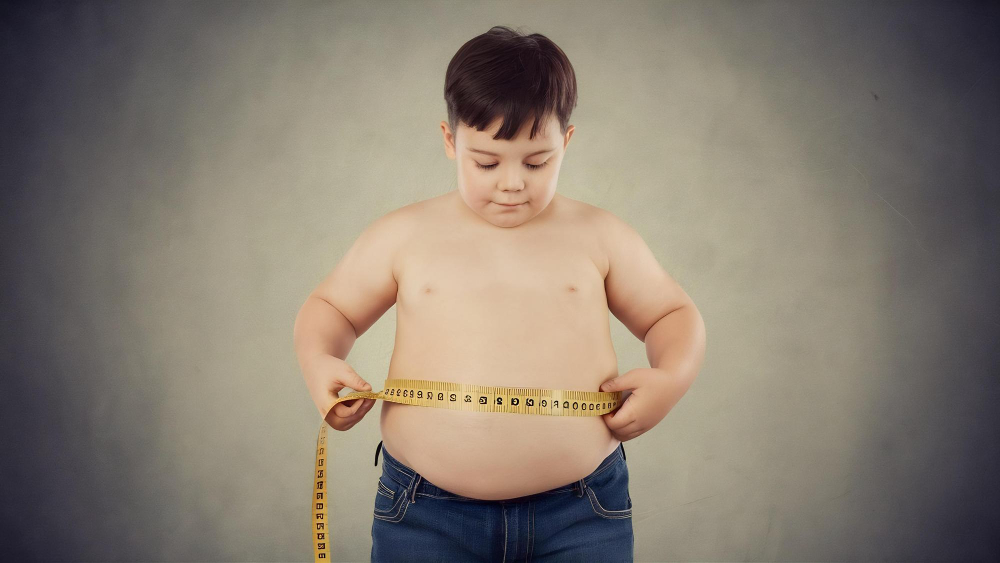
What is Childhood Obesity?
Childhood obesity means a child has too much body fat for their age and height. This condition is also called pediatric obesity. It is a growing concern for children’s health worldwide. When kids have weight issues, it can affect their bodies and minds. According to the CDC, childhood obesity rates have increased over the past years. Early action can help prevent health problems later in life.
Symptoms of Childhood Obesity
Often, it is not easy to spot childhood obesity just by looking. However, some signs may suggest a child is overweight. For example, you may notice:
Sometimes, children may also feel sad or left out because of their weight. Therefore, it is important to watch for both physical and emotional signs.
Causes of Childhood Obesity
Many factors can lead to childhood obesity. While genetics play a role, lifestyle choices matter a lot. Some common causes include:
In some cases, medical conditions or certain medicines can also cause weight gain in kids. However, most cases are linked to daily habits.
Diagnosis of Childhood Obesity
Doctors use a tool called Body Mass Index (BMI) to check for childhood obesity. BMI compares a child’s weight and height to others of the same age and sex. If a child’s BMI is higher than most kids, they may be considered overweight or obese. In addition, doctors may ask about eating habits, activity levels, and family history. Sometimes, they check for health problems linked to obesity, such as high blood pressure or diabetes.
Treatment Options for Childhood Obesity
Treating childhood obesity often means making healthy changes at home. Doctors may suggest:
Sometimes, a doctor or dietitian may create a special plan for your child. In rare cases, medicines or surgery may be needed, but only if other steps do not help.
Prevention Tips for Childhood Obesity
Preventing childhood obesity is easier than treating it. Here are some simple tips:
Above all, set a good example by making healthy choices as a family.
Lifestyle Guidance for Families
Families play a big role in children’s health. For instance, eating meals together can help kids learn good habits. Try to plan fun activities that get everyone moving, like walking, biking, or playing games outside. Also, talk openly about health and feelings. This helps children feel supported. Remember, small changes can make a big difference over time.
If you are worried about your child’s weight, consult a pediatrician at Chandana Women’s Children’s Hospital for personalized advice on childhood obesity.