What is High Blood Pressure in New Moms?
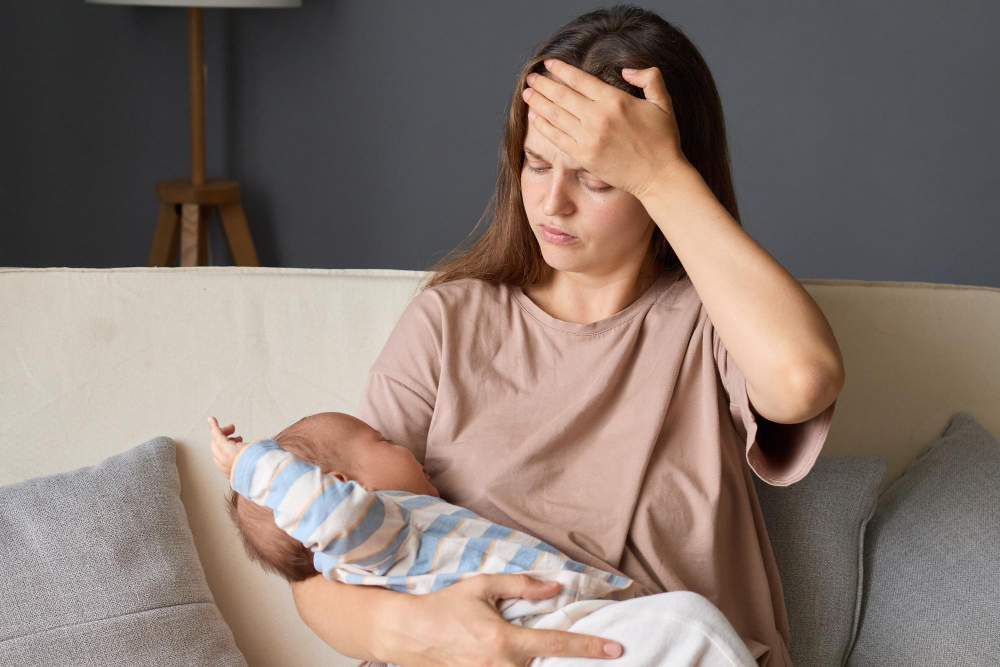
High blood pressure in new moms, also called postpartum hypertension, means your blood pressure is higher than normal after giving birth. This can happen soon after delivery or even weeks later. In fact, some mothers develop high blood pressure for the first time after pregnancy. Postpartum hypertension is important to watch because it can affect your health and recovery. In the US, many new mothers face this problem. Early care helps prevent serious issues. Knowing the signs and causes can help you stay healthy.
Common Symptoms
Sometimes, high blood pressure in new moms does not cause clear symptoms. However, you should watch for these signs:
Additionally, if you feel dizzy or notice any of these symptoms, tell your doctor right away. Early treatment can prevent problems.
Causes and Risk Factors
There are several reasons why new moms may develop high blood pressure after pregnancy. Some common causes and risk factors include:
Moreover, stress and lack of sleep after childbirth can also play a role. Understanding your risk helps you take steps to stay healthy.
How is it Diagnosed?
Doctors check for high blood pressure in new moms by measuring your blood pressure with a cuff. Usually, a reading of 140/90 mmHg or higher means you have high blood pressure. Sometimes, your doctor may order blood tests or urine tests to check for other problems. In addition, they may ask about your symptoms and medical history. Regular check-ups after delivery help catch any changes early.
Treatment Options
Treating high blood pressure in new moms depends on how high your numbers are and your overall health. Common treatments include:
Sometimes, you may need to stay in the hospital for close monitoring. Always follow your doctor’s advice for the best results.
Lifestyle Tips for Managing Blood Pressure
Making small changes can help control your blood pressure after pregnancy. For example, try these tips:
Even small steps can make a big difference in your recovery.
Prevention Strategies
While not all cases can be prevented, you can lower your risk of high blood pressure after pregnancy by:
Furthermore, early action helps protect your long-term health.
When to Seek Medical Help
If you notice any warning signs, do not wait. Seek medical help right away if you have:
Quick action can prevent serious problems, such as stroke or organ damage. Always trust your instincts and reach out to your healthcare provider if you feel something is wrong.
Consult a healthcare provider Dr. Srinivas at Chandana Women Children hospital for personalized advice on managing high blood pressure after childbirth.